

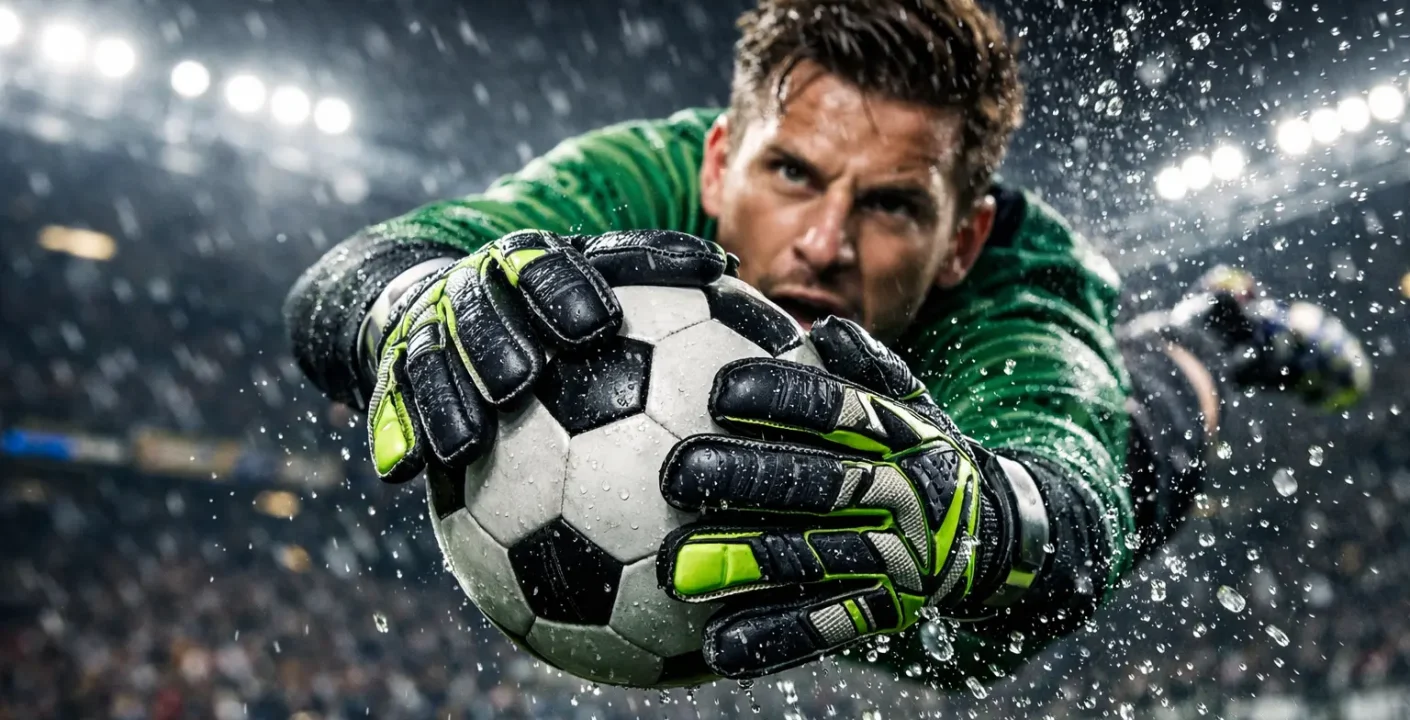
Picking the right goalkeeper gloves is one of the most personal decisions you will make as a keeper. With dozens of cuts, latex grades, and price ranges flooding the market, it is easy to feel overwhelmed before you even step between the posts. Whether you are just starting out or chasing a professional contract, your GK gloves are your last line of defense—and they deserve serious thought. The wrong pair costs you clean sheets; the right pair builds confidence and sharpens every save. This guide covers cuts, sizing, latex types, and care so you can find the best goalkeeper gloves for your level and style in 2026.
Why Goalkeeper Gloves Matter
Your goalkeeper gloves are not just protective gear; they are performance tools. A quality latex grip connects your hands directly to the ball, giving you the palm grip needed to hold powerful shots and the backhand protection to safely deal with punches and crosses. Beyond the physical benefits, good goalkeeper equipment builds mental confidence. When you trust your gloves, you commit to every ball with conviction rather than hesitation. From the wrist strap that locks the glove securely in place to the foam cushioning across the knuckles, every component works together to protect your hands and elevate your performance through ninety demanding minutes.
Types of GK Gloves Cuts
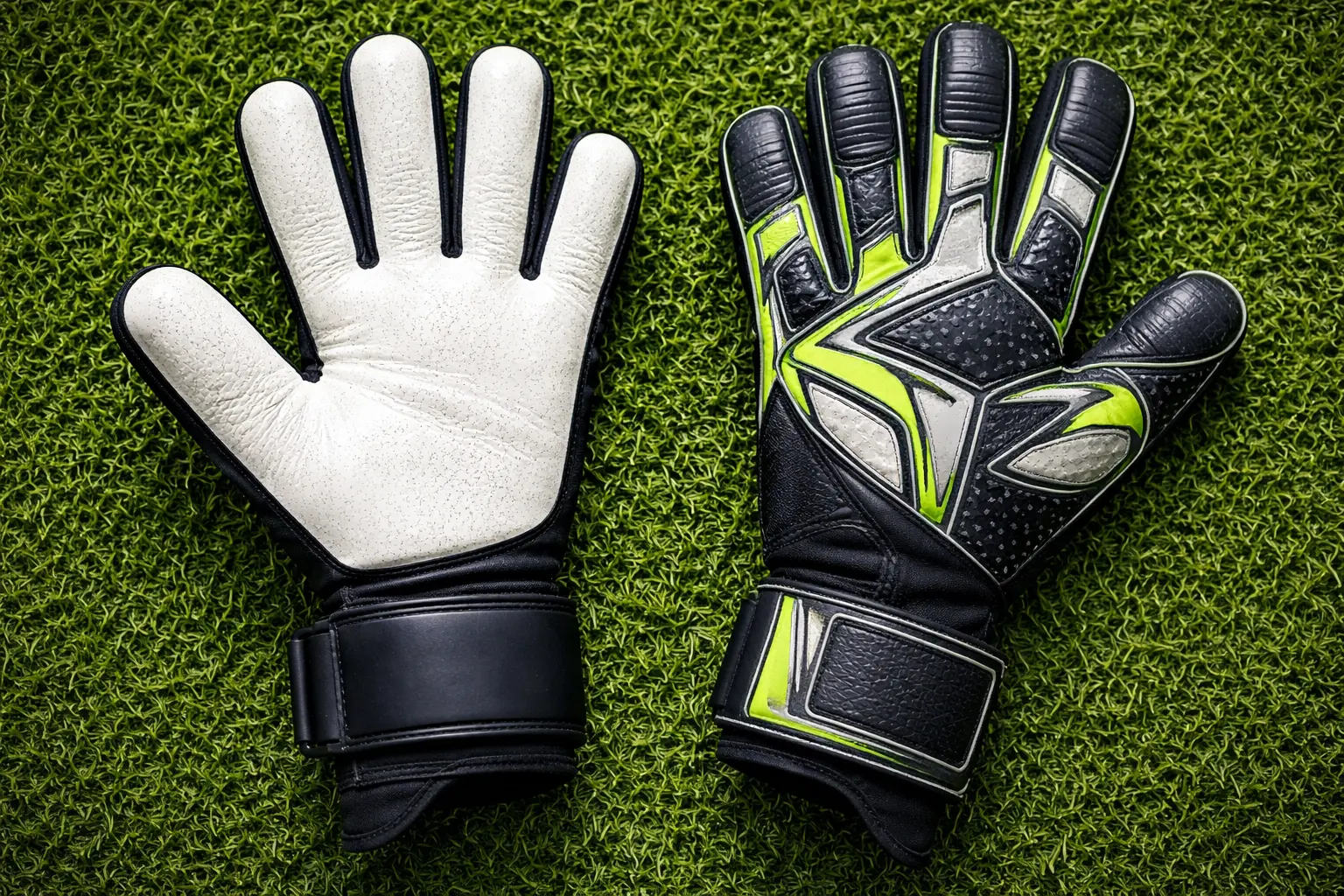
Understanding goalkeeper glove cut types is the fastest way to find a pair that genuinely fits your hands and suits your game.
The flat cut is the most traditional design, with latex panels stitched to the outside of the fingers. It creates a roomier, more comfortable fit with good airflow, making it a solid choice for beginners still exploring their preferences.
The negative cut reverses the stitching inward for a tighter, more tailored feel. It delivers a precise grip surface and clean ball contact, which is why many intermediate and professional keepers favor this design above all others.
The roll-finger cut wraps the latex fully around each finger, maximizing the grip surface area. It offers exceptional feel on the ball and suits keepers who want natural latex contact on every single touch.
The hybrid cut blends two or more designs, often combining negative cut fingers with a roll finger thumb, delivering the best of multiple fits in one versatile glove for keepers who want it all.
Match Gloves vs Training Gloves
Not all goalkeeper gloves are built for the same purpose, and understanding this distinction protects both your hands and your budget.
Match gloves are engineered with premium natural latex and deliver maximum grip in competitive conditions. Their softer foam is extraordinarily responsive but sacrifices glove durability; wearing them in daily training will destroy the latex within weeks.
Training gloves use tougher synthetic latex built to handle repetitive use on rough surfaces, including artificial turf. They offer a longer glove lifespan at the expense of a little grip refinement. Smart keepers rotate both pairs, reserving match gloves for game day and relying on training gloves for every session in between. This approach preserves your latex grip quality precisely when it matters most.
Best Goalkeeper Gloves by Playing Level
Best GK Gloves for Beginners
If you’re new to the position, goalkeeper gloves for beginners should prioritize comfort, durability, and value. A flat cut or hybrid design with a reliable synthetic latex palm is the ideal starting point. You do not need elite-grade latex at this stage; a well-fitted pair in the $25–$45 range will grip confidently on dry surfaces and help you build proper handling habits without the worry of damaging premium latex.
Best Goalkeeper Gloves for Intermediate Players
At the intermediate level, you are ready to invest in a negative cut or roll finger design with a higher-grade latex palm for improved grip and ball feel. Goalkeeper gloves in the $50–$80 range typically offer stronger backhand protection, a more responsive wrist strap system, and foam that performs reliably across both wet and dry conditions during intense training and competitive matches.
Best Professional Goalkeeper Gloves
Professional goalkeeper gloves demand the highest performance, elite natural latex, a precision fit, and finger protection gloves with reinforced spines to guard against hyperextension. These models, priced above $90, deliver outstanding grip in all weather conditions. They are reserved for match days and require diligent care to preserve their latex grip and structural integrity throughout a long, demanding season.
Best Youth Goalkeeper Gloves
Youth goalkeeper gloves must balance reliable protection with affordable pricing. Look for lightweight designs featuring finger protection, an adjustable wrist strap, and durable latex suited to training on artificial surfaces. Correct goalkeeper glove sizing is especially critical for young players; an ill-fitting glove limits control and increases the risk of injury to still-developing fingers.
How to Choose the Right Goalkeeper Gloves
Choosing your perfect pair comes down to five key factors. First, assess your playing surface; natural grass allows soft natural latex to perform at its best, while artificial turf demands more abrasion-resistant synthetic options. Second, factor in wet weather grip; if you play in a rainy climate, prioritize latex that activates in moisture. Third, choose your cut based on the fit and finger wrap feel you prefer most. Fourth, decide whether you need finger protection gloves with internal spine inserts, especially if you have a history of finger injuries. Finally, examine the wrist strap; a secure, adjustable strap prevents the glove from shifting during explosive dives and is one of the most underrated components in all goalkeeper equipment.
How to Size Your GK Gloves
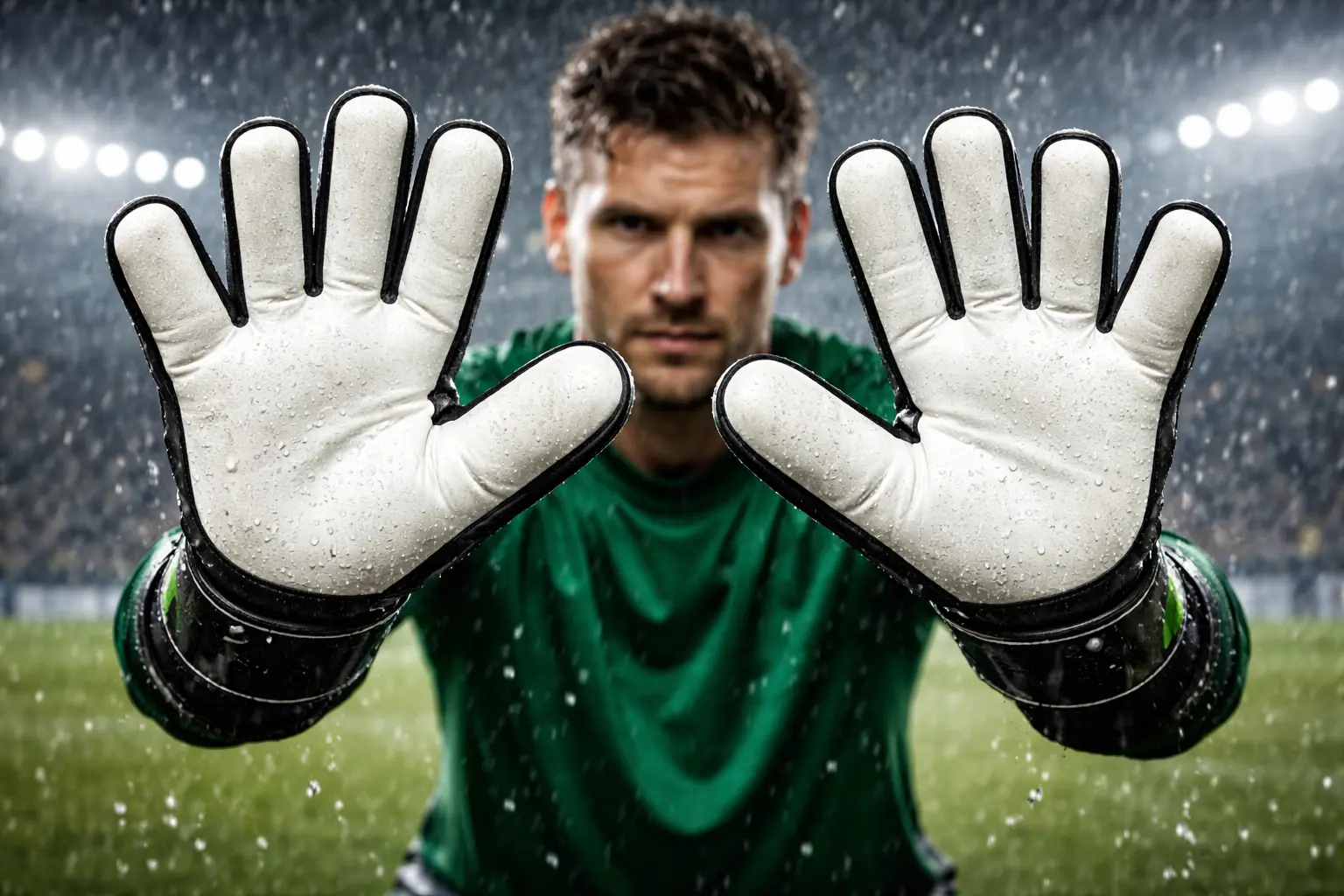
Getting goalkeeper glove sizing right is non-negotiable. Measure your dominant hand flat across the widest part of the palm, just below the knuckles, in centimeters. Round that figure up to the nearest whole number, then add one; that is your glove size. A 19 cm palm becomes a size 10, for example. Always check the brand-specific size chart before purchasing, as sizing conventions vary between manufacturers. When you fall between two sizes, always choose the larger; it ensures the latex wraps the ball correctly without restricting your fingers or circulation. Wet conditions demand gloves that grip harder — not ones that let the ball slip at the critical moment.
How to Care for Your Goalkeeper Gloves
Consistent care directly extends glove durability and maintains your latex grip performance. After each session, rinse your gloves under cool, clean water to remove dirt, sweat, and surface grit. Gently squeeze the latex, never wring it, then air dry naturally away from direct sunlight or heat sources, both of which cause latex to crack and harden prematurely. Store your gloves flat or slightly damp in a breathable mesh bag between sessions. Never put them in a washing machine. With a disciplined care routine, your goalkeeper gloves will retain their grip quality and perform at a high level for significantly longer across the season.
FAQ
What are the best goalkeeper gloves for beginners? The best goalkeeper gloves for beginners combine a comfortable fit, durable synthetic latex, and a secure wrist strap at an accessible price. Prioritize proper sizing and reliable grip over premium latex grades; a well-fitted entry-level pair builds better technique than an oversized elite glove ever will.
How long do GK gloves last? Match-grade GK gloves typically last between 15 and 25 games with proper care. Training gloves last significantly longer due to tougher latex construction. Rinsing after every session and rotating both pairs are the two most effective habits for protecting your investment and extending their lifespan.
What is the best cut for goalkeeper gloves? There is no single best cut; it depends entirely on preference. Negative cuts deliver a tight, precise feel. Roll finger cots to maximize grip surface. Flat cuts offer comfort and space. Try different goalkeeper glove cut types before committing to find the fit that feels most natural and secure in your hands.
Should goalkeeper gloves be tight or loose? Your gloves should fit snugly without restricting your fingers or circulation. A small gap of roughly 5 mm at the fingertip is completely normal; it allows the latex to wrap the ball cleanly on every catch. Overly loose gloves reduce palm grip and risk twisting on impact during a crucial dive.
Conclusion
Finding the best goalkeeper gloves is never about buying the most expensive pair on the shelf; it is about understanding your level, your surface, and what your hands genuinely need. From cut type and latex grade to goalkeeper glove sizing and daily care, every detail shapes how you perform between the posts. Whether you are a young keeper just beginning your journey or an experienced player ready to elevate your GK gloves game, the right choice will sharpen your reactions and strengthen your confidence through every training session and every competitive match. Explore the full Hilton Gloves range today and find goalkeeper gloves crafted to match your ambition, because every clean sheet starts in your hands.