

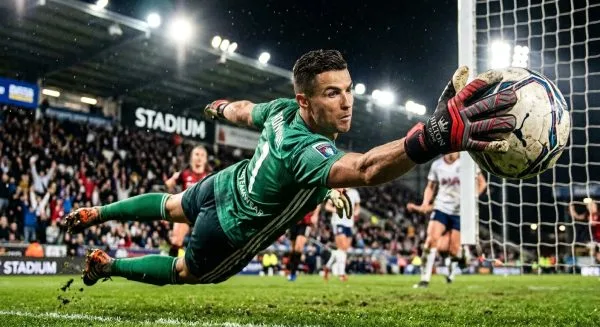
In the high-stakes world of American soccer, a goalkeeper is only as good as their confidence—and that confidence starts with their hands. Whether you’re a high school starter in Texas or playing in a competitive adult league in California, finding the best football goalkeeper gloves is the difference between a clean sheet and a missed opportunity. The market in the USA is flooded with options, but not all “tacky” latex is created equal. Choosing the wrong pair can lead to premature tearing, poor shock absorption, or, worst of all, “greasy” palms that let the ball slip through during a rainy night match. This guide breaks down the elite technology currently dominating the American pitches to help you command your area.
Understanding Glove Cuts: Which is Right for You?
Before looking at brands, you must understand the “cut.” This determines how the glove fits your fingers and how much latex-to-ball contact you actually get.
1. The Negative Cut
The most popular choice for modern pro-level keepers. The seams are stitched inside the glove, providing a snug, “second-skin” feel.
- Pros: Maximum feel for the ball; great for keepers with slender hands.
- Cons: Wears out slightly faster at the fingertips due to exposed stitching.
2. Roll Finger Cut
The latex “rolls” around the fingers, providing the largest possible surface area for catching.
- Pros: Massive contact area; extra cushioning.
- Cons: Can feel bulky or “heavy” for some players.
3. Hybrid Cuts
Many elite gloves now combine these styles (e.g., negative on the middle fingers and roll on the index and pinky) to offer the best of both worlds: a tight fit and a huge catching surface.
Top Picks for Best Football Goalkeeper Gloves in the USA
| Category | Recommended Feature | Best For |
| Elite Performance | 4mm Contact Latex | Professional & Collegiate Matches |
| Durability / Training | Rough Profile Latex | Turf & Hard Ground Practice |
| Injury Prevention | Removable Finger Spines | Youth & Recovering Players |
| Wet Weather | Aqua Grip Technology | Rainy Climates (PNW/East Coast) |
The Technology Behind the Grip
When searching for the best football goalkeeper gloves, the latex foam is the most expensive and critical component.
Contact Latex vs. Super Soft Latex
Most professional match gloves in the USA use contact latex. It arrives with a protective film that, once peeled, offers incredible “tackiness.” However, for daily training on artificial turf—which is common in US suburban complexes—Super Soft or German latex is often preferred for its balance of grip and abrasion resistance.
Impact Protection
Modern soccer is faster than ever. Look for gloves with a 3D embossed punch zone. This reinforced silicone or rubber on the backhand helps you clear the ball further during crosses while protecting your knuckles from high-velocity impacts.
Finger Protection: Necessary or Not?
“Fingersaves,” or spines, are a polarized topic in the USA goalkeeper community.
- Youth Soccer Goalie Gloves: We highly recommend finger protection for younger players whose hand strength is still developing. It prevents hyperextension during “power shots.”
- Advanced Keepers: Many experienced keepers prefer gloves without spines to allow for better “feel” and the ability to close the fist completely for distribution.
How to Make Your Gloves Last Longer
A common complaint among American keepers is that expensive gloves “flake” after three games. Here is how to prevent that:
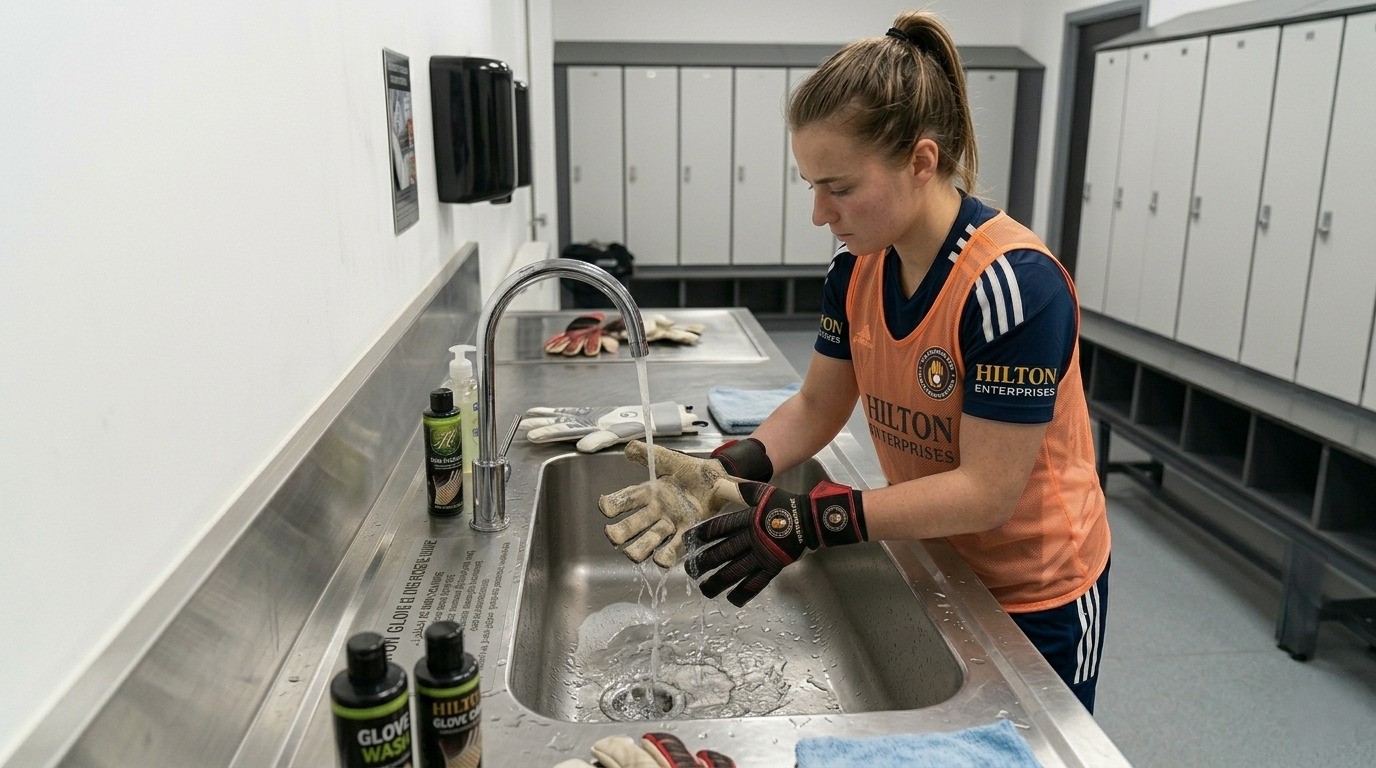
- The Pre-Wash: Always wash new gloves in lukewarm water before the first use. This removes the factory chemicals used to preserve the latex and “activates” the grip.
- Keep Them Damp: Latex is like a sponge. If it dries out completely, it becomes brittle and cracks. Lightly mist your palms with water during half-time.
- Avoid the Palms-Down Get-Up: When rising from the ground, try to use your fists or the heels of your hands rather than pushing off with your palms.
FAQ: Frequently Asked Questions
What are the best goalie gloves for artificial turf?
Artificial turf is much more abrasive than grass. Look for gloves specifically labeled “Turf” or “Hard Ground.” These use a denser latex blend that won’t shred as easily on synthetic blades.
How do I know my goalie glove size?
Measure the circumference of your palm (just below the knuckles, excluding the thumb) in inches. Round up to the next whole number and add 1. For example, a 7-inch circumference usually fits a size 8 glove.
Can I use grip spray on new gloves?
While goalkeeper glove grip spray is excellent for reviving older, “dead” latex, it’s usually unnecessary for brand-new, high-end match gloves. Save the spray for your training pair to extend their lifespan.
Are expensive gloves worth it for beginners?
Not necessarily. A beginner is better off with a mid-range “flat cut” glove that focuses on durability while they learn proper catching technique.
Conclusion: Securing the Clean Sheet
Finding the best football goalkeeper gloves in the USA comes down to balancing your playing surface with your preferred fit. For match days, prioritize Contact Latex with a negative or hybrid cut to ensure maximum control. For those grueling weekday practices on turf, opt for a durable German latex with reinforced backhands.
Our Recommendation: If you are playing at a competitive level, always keep two pairs in your bag: a “match” pair kept pristine for game days and a “training” pair for drills. This ensures your match grip is always at 100% when the whistle blows.