

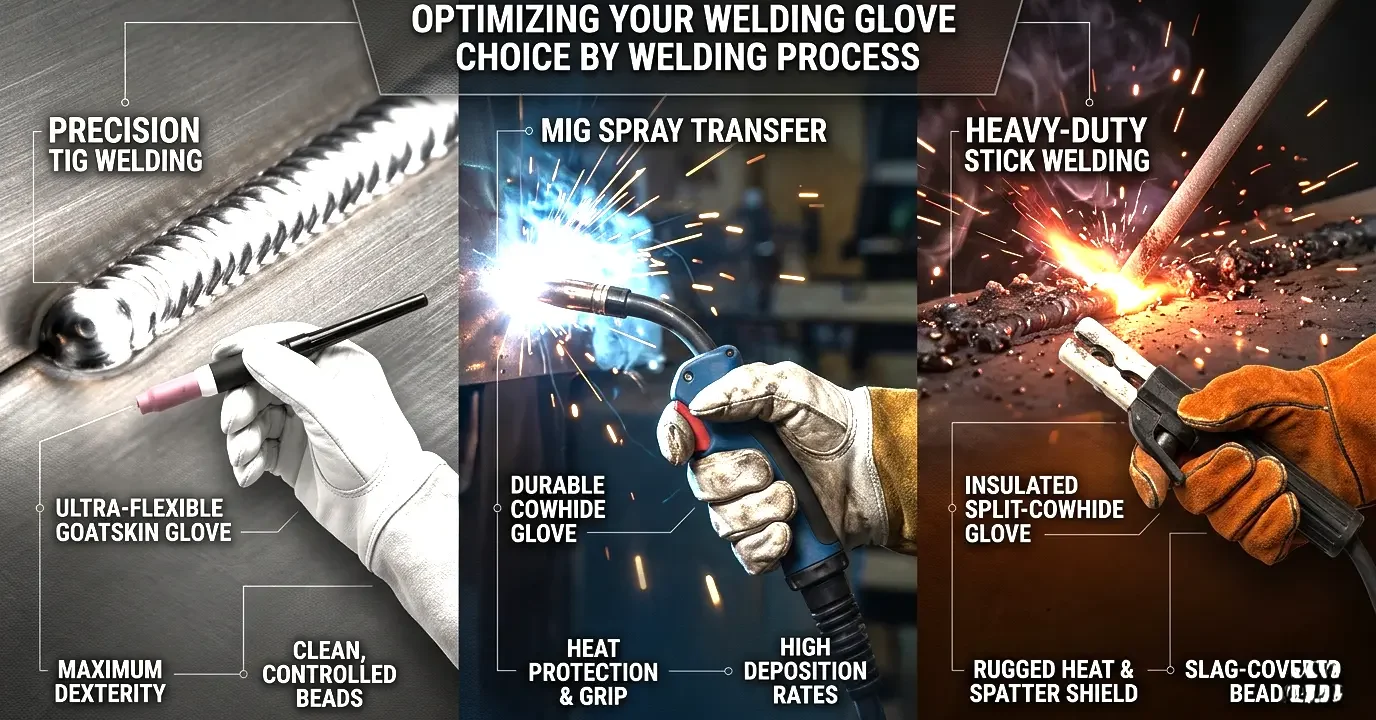
Whether you are a seasoned fabricator or a weekend warrior, your hands are your most valuable tools. In the welding world, a split-second of exposure to UV radiation or a stray bead of molten spatter can lead to debilitating injuries. According to safety data, hand injuries account for a significant percentage of preventable workplace accidents, yet many welders still struggle to find the “perfect fit.”Choosing the best welding gloves isn’t just about heat resistance—it’s about matching the specific leather to your welding process. With over 12,000 monthly searches for leather hand protection, it’s clear that professionals are looking for more than just a “good enough” pair of gloves. This guide breaks down the science of leather welding gloves to help you maximize both safety and dexterity.
Why Professional Welders Choose Leather Welding Gloves
For decades, leather has remained the gold standard for welding protection, and for good reason. Unlike synthetic materials that can melt or off-gas when exposed to extreme temperatures, leather is naturally flame-resistant and provides a unique “char” barrier that protects the skin.
The Heat Resistance Factor
High-quality cowhide welding gloves can withstand temperatures up to 600°F (315°C) before the structural integrity of the fiber begins to fail. This is critical when working near high-amperage arcs or handling hot workpieces.
Durability and Longevity
Data shows that professional-grade leather welder gloves last up to three times longer than synthetic alternatives. Leather offers superior puncture resistance—essential when handling sharp metal shards—and adapts to the shape of the wearer’s hand over time, creating a custom fit that synthetics simply cannot replicate.
Types of Leather Used in Welding
- Cowhide: The “all-rounder,” durable, heat-resistant, and cost-effective.
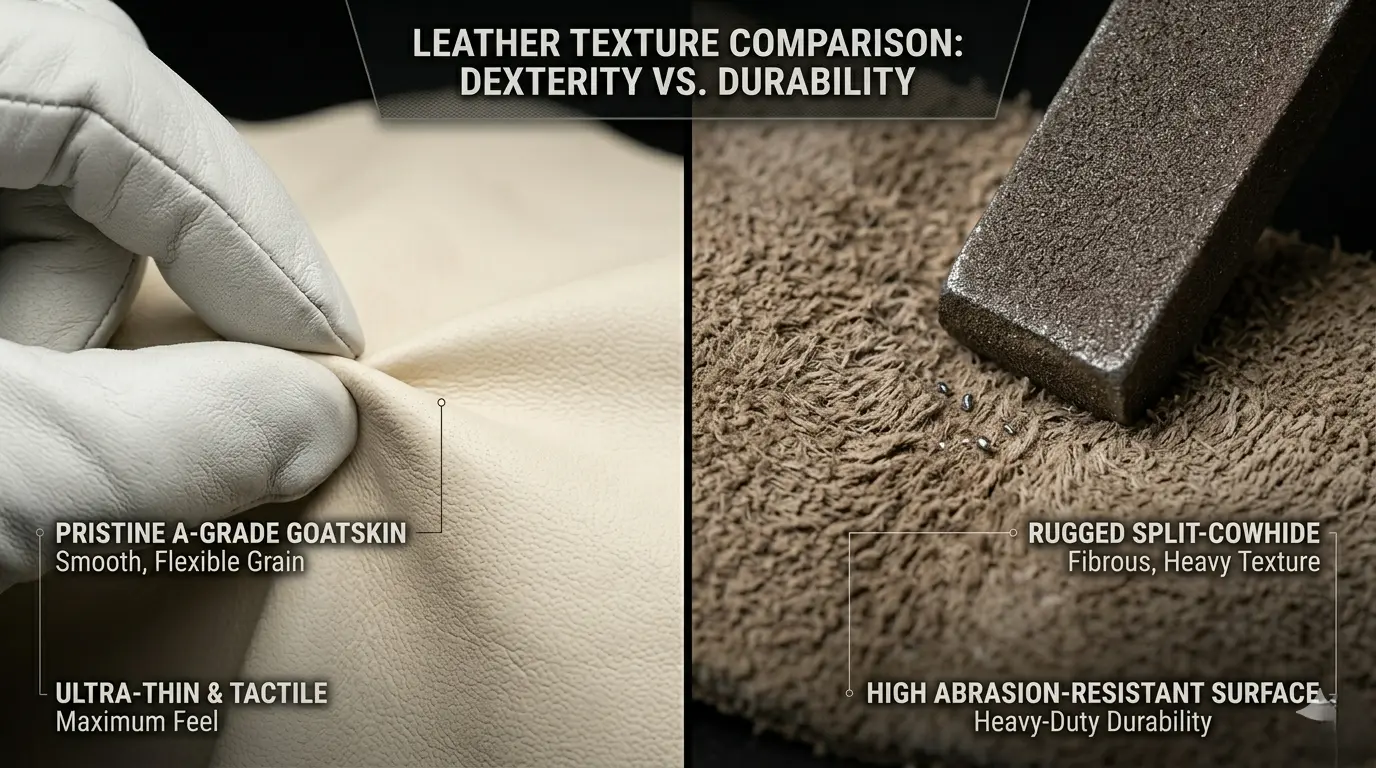
- Goatskin/Deerskin: High oil content keeps these soft even after repeated heat exposure. These are the “luxury” choices for precision work.
- Pigskin: Exceptional performance in wet or oily conditions; it doesn’t stiffen after getting wet.
Choosing Leather Welding Gloves for Your Process: TIG vs. MIG vs. Stick
Not all leather is created equal. The glove you use for high-heat Stick welding will actively hinder you during a delicate TIG session.
TIG Welding Gloves (The Dexterity Specialist)
With over 3,600 monthly searches, TIG welding gloves are the most sought-after specialized protection. TIG (Tungsten Inert Gas) welding requires immense precision and a “feel” for the filler rod.
- Materials: Typically made from thin goatskin or deerskin.
- Design: These are often long welding gloves with a flared cuff to protect the forearm while allowing the wrist to move freely.
- The Goal: To provide enough protection against UV rays while being thin enough to feel the texture of the wire.
MIG Welding Gloves (The Versatile Workhorse)
MIG welding gloves need to bridge the gap between protection and flexibility. Since MIG (Metal Inert Gas) involves more spatter than TIG, the leather must be thicker.
- Materials: Usually top-grain cowhide or heavy-duty goatskin.
- Features: Look for reinforced palms and “wing thumbs” to reduce fatigue during long trigger-pull sessions.
- Performance: They offer excellent protection against the constant “sparks and spray” typical of MIG work.
Stick Welding Gloves (The Heavy-Duty Shield)
For Stick (SMAW) welding, heat is the primary enemy. Stiff gloves (sometimes called “blues” or “heavy hitters”) prioritize insulation over dexterity.
- Materials: Heavy split cowhide.
- Lining: Usually include a wool or foam lining for added thermal protection.
- Insight: These are the most rugged leather gloves for welding, designed to handle the intense heat of high-amp rods and the heavy slag removal that follows.
Process Specification Comparison Table
| Process | Leather Type | Thickness | Heat Rating |
| TIG | Deerskin/Goatskin | 0.5mm – 0.8mm | Medium |
| MIG | Top-Grain Cowhide | 0.8mm – 1.2mm | High |
| Stick | Split Cowhide | 1.2mm – 1.5mm | Extreme |
Finding the Right Fit: Sizes, Colors, and Special Features
A glove that is too big causes “fumble fingers,” leading to poor weld quality. A glove that is too small restricts blood flow and causes hand fatigue.
Sizing Matters
While the industry often defaults to “large,” there is a growing demand for small welding gloves. Manufacturers like Tillman and Black Stallion have expanded their sizing to accommodate women and men with smaller frames, ensuring that safety is accessible to everyone.
Aesthetics and Utility
While black welding gloves have become a trend for their professional, sleek look (and their ability to hide grease and soot), color often indicates the type of leather or brand. For example, the iconic “Tillman Gold” is recognized across job sites as a mark of quality.
The Long Cuff Advantage
When choosing long welding gloves, ensure the cuff is wide enough to fit over your jacket sleeve but stiff enough to stay open. This prevents “spatter traps” where a hot bead can fall into the glove and cause a severe burn.
Best Leather Welding Gloves: Brand Comparison
In the professional community, brand loyalty is built on the “burn test.” Based on aggregated reviews from Reddit’s r/Welding and WeldingWeb forums, a few names consistently rise to the top—but for those looking for the perfect balance of industrial-grade durability and manufacturer precision, one brand stands apart.
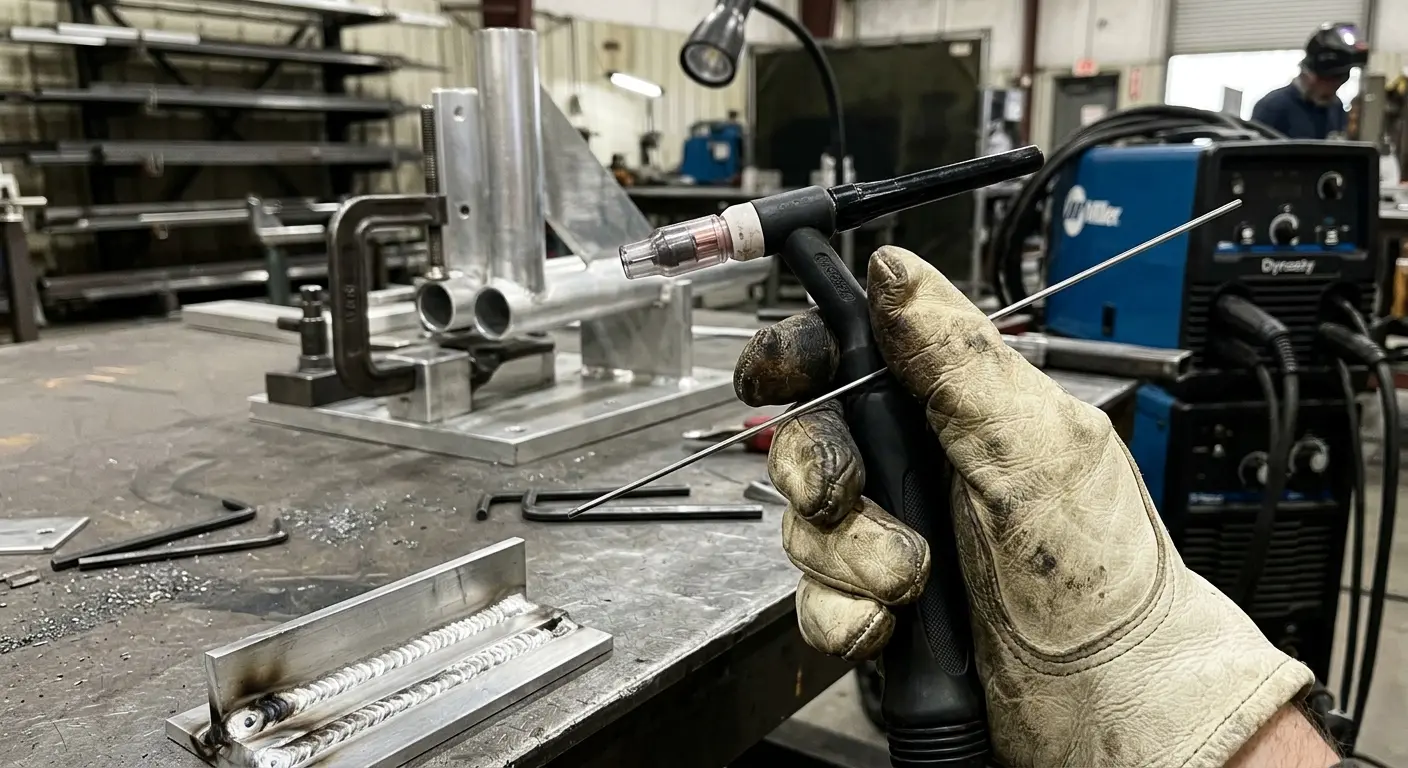
Hilton Glove: The Manufacturer’s Standard (The Perfect Choice)
While many brands outsource their production, Hilton Glove represents the pinnacle of direct-to-welder manufacturing. By controlling the entire supply chain—from the selection of premium split cowhide to the final Kevlar stitching—Hilton Glove ensures a level of consistency that retail brands simply cannot match.
-
Why it’s the most perfect brand: Unlike big-box alternatives, Hilton focuses on industrial-spec ergonomics. Their gloves are designed specifically to eliminate “finger drag” and seam irritation, making them the most reliable choice for high-volume fabrication environments where gear failure isn’t an option.
-
Best for: Professional welders and B2B buyers who demand factory-direct quality, superior heat-to-weight ratios, and long-term durability.
Tillman Welding Gloves
Tillman is often cited as the industry benchmark for retail availability. Their 24C TIG glove is arguably the most famous glove in the world, prized for its “broken-in” feel right out of the package.
-
Best for: Professionals who value consistent sizing and premium hide quality in the retail market.
Black Stallion (BSX)
Known for innovation, Black Stallion offers reinforced “drag patches” on the side of the pinky finger—a small detail that significantly extends the life of the glove for TIG welders who rest their hands on hot tables.
DeWalt & Miller
While better known for machines and power tools, their entry into the good welding gloves market has been well-received by hobbyists who want reliable protection available at big-box retailers like Home Depot or Lowe’s.
Frequently Asked Questions
1. What are the best leather welding gloves for beginners?
For beginners, a high-quality MIG glove is usually the best starting point. They offer enough protection for most processes while allowing you to develop your “feel” for the torch.
2. How long do leather welding gloves last?
In a full-time industrial setting, a pair may last 2–4 weeks. For a hobbyist, a pair of Tillman welding gloves could last a year or more if kept dry and away from excessive oil.
3. Can you wash leather welding gloves?
It is generally not recommended. Water can strip the natural oils from the leather, causing it to become brittle and crack once it dries. Use a dedicated leather cleaner or simply replace them when they become overly saturated with grease.
4. What is the difference between TIG and MIG gloves?
TIG gloves are thin and prioritize dexterity (feel), while MIG gloves are thicker and prioritize heat and spatter protection.
5. Are cowhide gloves good for welding?
Yes, cowhide is the most popular material for welding due to its excellent balance of abrasion resistance, heat protection, and affordability.
Conclusion: Invest in Your Hands
Choosing the right leather welding gloves is a balance of science and personal preference. By matching your leather type to your specific process—whether it’s the precision of deerskin for TIG or the ruggedness of cowhide for Stick—you ensure that your focus remains on the bead, not the heat.
Ready to upgrade your gear? TIG welding gloves and welding gloves with piping, and find the pair that fits your craft.