


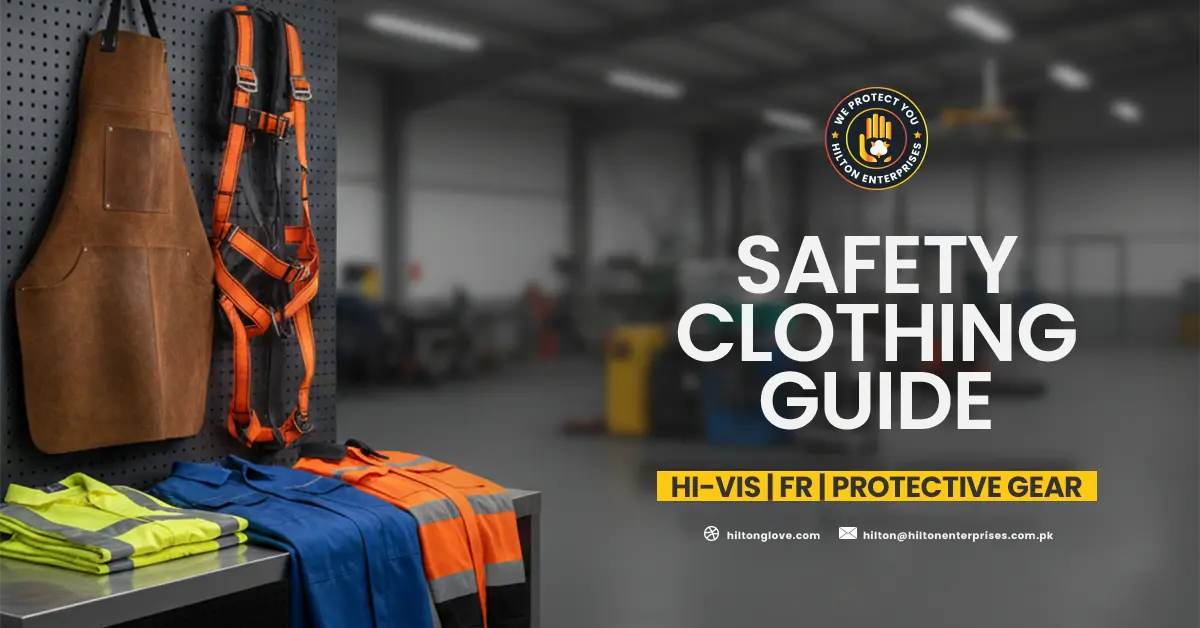
Every year, thousands of workers suffer preventable injuries due to inadequate safety clothing. In construction alone, struck-by incidents account for nearly one in five fatalities, with many occurring because workers weren’t visible to equipment operators. Proper safety gear isn’t just about compliance, it’s about ensuring every worker returns home safely at the end of their shift.
Understanding Safety Clothing Basics
Personal protective equipment (PPE) encompasses specialized clothing and gear designed to shield workers from workplace hazards. Unlike regular work clothes, safety garments meet rigorous performance standards established by organizations like the American National Standards Institute (ANSI) and must provide documented protection against specific risks.
OSHA requires employers to assess workplace hazards and provide appropriate PPE when engineering controls and safe work practices don’t offer sufficient protection. This includes high visibility clothing for workers near moving vehicles, flame resistant clothing for thermal hazards, and protective clothing for environmental exposure.
Primary Hazard Categories
Workers face four main categories of workplace hazards that require specialized safety gear:
- Visibility Hazards: Workers in construction zones, roadways, or areas with moving equipment face struck-by risks. High visibility safety apparel ensures workers remain visible in low-light conditions, against complex backgrounds, and to vehicle operators.
- Thermal Hazards: Exposure to flames, arc flash, molten metal, or extreme heat demands specialized protection. Flame-resistant clothing self-extinguishes when the ignition source is removed, while arc-rated garments protect against electrical hazards.
- Environmental Hazards: Adverse weather, including rain, wind, extreme temperatures, and chemical exposure, requires protective workwear. Waterproof rain gear, insulated jackets, and chemical-resistant materials protect against these potential hazards.
- Impact and Abrasion: Heavy-duty work environments expose workers to cuts, scrapes, and impact injuries. Durable coveralls and reinforced protective clothing minimize these risks while maintaining worker mobility.
High-Visibility Safety Clothing: ANSI/ISEA 107 Standards
High-visibility clothing represents one of the most critical categories of safety gear for workers in construction zones, roadways, and industrial facilities. The ANSI/ISEA 107 standard establishes three performance classes based on the amount of background and retroreflective material, along with garment design requirements.
Understanding ANSI Classes
Class 1: Low-Risk Environments
Designed for workers in low-risk environments where traffic speeds don’t exceed 25 mph and there’s ample separation from vehicles. Parking lot attendants, warehouse workers, and sidewalk maintenance crews typically wear Class 1 safety garments.
Class 2: Moderate-Risk Environments
The workhorse of construction and industrial safety clothing. Class 2 garments provide enhanced visibility for workers in areas where traffic moves between 25-50 mph or in complex work environments. Construction workers, surveyors, railway employees, and utility crews rely on Class 2 high-visibility clothing.
These safety garments must include:
- At least 775 square inches of background material
- 201 square inches of retroreflective tape
- Proper placement for 360-degree visibility
Class 3: High-Risk Environments
Offers maximum visibility for the highest-risk situations. Workers on highways, in heavy traffic, or performing nighttime operations require Class 3 protection. The key difference is mandatory sleeve coverage; sleeves help drivers recognize the human form and track worker movement.
Class 3 requirements include:
- 1,240 square inches of background material
- 310 square inches of retroreflective material
- Sleeves required for human form recognition
- Superior visibility in all lighting conditions
Class E: Enhanced Lower-Body Visibility
Designed specifically for lower-body protection, Class E pants and shorts feature retroreflective material and fluorescent colors. When paired with a Class 2 jacket, they create Class 3 protection. When combined with a Class 3 jacket, they provide superior overall visibility.
Types of High-Visibility Apparel
Our comprehensive collection of high-visibility safety clothing addresses every job site requirement and weather condition.
Safety Vests
The foundation of workplace visibility programs. From lightweight mesh vests for warm weather to insulated versions for cold conditions, safety vests provide essential protection. Our custom safety vest options allow companies to add logos and branding while maintaining ANSI compliance. Explore our custom safety vests with logo for team identification.
High-Visibility Jackets
Year-round protection demands weather-appropriate outerwear. Our high-visibility jackets range from lightweight windbreakers to insulated winter coats, all meeting ANSI standards. Breathable fabrics keep workers comfortable during physical labor while maintaining visibility.
Hi-Vis Rain Jackets
When the weather turns wet, visibility becomes even more critical. Our rain jackets combine waterproof protection with high-visibility features, ensuring workers stay dry and visible. Sealed seams and durable water-repellent coatings provide reliable rain protection.
Additional High-Visibility Products
We offer a complete range of hi-vis apparel for every work situation:
- High-visibility shirts with moisture-wicking fabrics for summer comfort
- Sweatshirts that provide warmth without sacrificing visibility
- High-visibility hoodies combining casual comfort with safety requirements
- Hi-vis shorts keeping workers cool and visible during summer months
- Rain suits offering complete head-to-toe waterproof protection
- High-visibility suits for maximum coverage
Choosing the Right ANSI Class
Selecting appropriate high visibility clothing requires assessing your specific working environment. Several key factors determine the necessary protection level:
Traffic Speed and Volume: Higher speeds and traffic density demand higher protection classes. Highway work requires Class 3, while parking lot work may only need Class 1.
Lighting Conditions: Workers performing tasks during dawn, dusk, or nighttime hours need maximum retroreflective material. Class 3 garments provide superior visibility in low-light situations.
Background Complexity: Busy construction sites with multiple vehicles and complex backgrounds benefit from Class 2 or Class 3 garments that help workers stand out.
Task Duration: Short-term tasks in controlled environments may allow Class 1 or Class 2, while full-shift exposure to traffic hazards necessitates Class 3 protection.
Flame-Resistant (FR) Clothing
Workers exposed to flames, flash fires, electric arcs, or molten metal require specialized flame resistant clothing that can mean the difference between minor injuries and life-threatening burns. Unlike regular fabrics that ignite and continue burning, FR materials self-extinguish when removed from the ignition source, preventing clothing from contributing to burn injuries.
Understanding FR vs. Arc-Rated Clothing
Flame-Resistant (FR) Clothing: Designed to resist ignition and self-extinguish, FR clothing protects against flash fires, brief flame exposure, and radiant heat. NFPA 2112 establishes the standard for flash fire protection, requiring fabrics to meet specific flame resistance, thermal protection, and durability criteria.
Arc-Rated (AR) Clothing: Specifically tested and rated for protection against electric arc flash hazards. When electrical current jumps across a gap, it creates temperatures exceeding 35,000°F, four times hotter than the sun’s surface. Arc-rated garments display an ATPV (Arc Thermal Performance Value) or EBT (Energy Break-Open Threshold) rating indicating the incident energy level they can withstand before causing second-degree burns.
The American National Standards Institute, through NFPA 70E, provides guidelines for electrical safety in the workplace, including FR and arc-rated clothing requirements based on hazard risk categories.
FR Product Categories
Our flame-resistant clothing line protects workers across multiple industries and hazard exposures.
FR Workwear: Daily-wear FR garments designed for comfort and protection. FR shirts, pants, and coveralls allow workers to perform normal duties while maintaining constant protection against flash fire and arc flash hazards. These garments meet NFPA 2112 and NFPA 70E standards while offering the durability needed for demanding work environments. Explore our FR workwear collection.
FR Rainwear: Weather protection shouldn’t compromise thermal safety. Our FR rainwear provides waterproof protection while maintaining flame-resistant properties. Workers in oil and gas, utilities, and petrochemical industries need this specialized protection when working outdoors in wet conditions.
High-Heat Protection: Specialized garments for extreme thermal environments. Workers near furnaces, foundries, or other high-heat operations require enhanced thermal barriers. Our high-heat protection clothing combines flame resistance with insulation against radiant and convective heat.
Industries Requiring FR Clothing
Several high-risk industries mandate flame-resistant clothing for worker protection:
- Electrical Utilities: Line workers, substation technicians, and maintenance crews face arc flash hazards daily. NFPA 70E mandates FR clothing based on the electrical work being performed and the calculated incident energy exposure.
- Oil and Gas: Flash fire risks exist throughout exploration, production, refining, and distribution operations. OSHA and industry best practices require FR clothing for workers in these environments.
- Chemical Processing: Facilities handling flammable chemicals or operating high-temperature processes implement FR clothing programs to protect workers from flash fire and thermal hazards.
- Welding and Metal Fabrication: While focused heat protection differs from flash fire protection, welders benefit from FR garments that resist ignition from sparks and spatter.
Understanding Arc Ratings
The ATPV or EBT rating on arc-rated clothing indicates the maximum incident energy (measured in calories per square centimeter) the fabric system can withstand before causing second-degree burns. Higher ratings protect against greater arc flash hazards.
For example, an ATPV of 8 cal/cm² protects against lower-energy arc flash events, while ATPV ratings of 40 cal/cm² or higher protect against severe electrical hazards. Employers must conduct arc flash hazard assessments to determine the appropriate protection level for each task.
Protective Clothing and Rain Gear
Beyond high-visibility and flame-resistant requirements, workers need durable protective clothing suited to their specific tasks and environmental conditions. Our protective clothing category includes versatile workwear designed for comfort, durability, and practical protection.
Protective Workwear Categories
Coveralls: One-piece garments providing complete torso and leg coverage. Coveralls protect regular clothing from dirt, chemicals, and abrasion while offering unrestricted movement. Our coverall selection includes lightweight options for clean environments and heavy-duty versions for demanding industrial applications.
Cotton Coveralls: Natural cotton fabric offers comfort, breathability, and excellent moisture absorption. Cotton coveralls work well in environments where flame resistance isn’t required but workers need durable, comfortable protection. These garments withstand repeated washing while maintaining their protective qualities.
Custom Aprons: Task-specific protection for workers who don’t require full-body coverage. From welding aprons providing thermal and spark protection to chemical-resistant aprons for laboratory and processing work, these garments protect without restricting upper body movement. Explore our custom aprons.
Work Pants: Durable pants designed for physical labor. Reinforced knees, multiple pockets, and abrasion-resistant fabrics make these essential work clothes for construction, maintenance, and industrial workers. Our custom work pants can include company branding while providing the durability workers demand.
Wholesale Rain Gear: Complete weather protection programs require reliable rain gear. Our wholesale rain gear options allow companies to outfit entire crews with waterproof jackets, pants, and suits at competitive pricing. Bulk ordering ensures consistent quality and compliance across your workforce.
Material Considerations
Waterproof vs. Water-Resistant: Waterproof garments feature sealed seams and impermeable materials, preventing water penetration even in heavy rain or when working in wet conditions. Water-resistant fabrics repel light moisture but will eventually allow water through during prolonged exposure. Choose based on the duration and intensity of water exposure workers face.
Breathability: Workers generating body heat through physical labor need garments that allow moisture vapor to escape while blocking external water. Modern waterproof/breathable fabrics balance these requirements, preventing the clammy discomfort of non-breathable rain gear.
Durability: Heavy-duty work environments demand reinforced fabrics, double-stitched seams, and abrasion-resistant materials. While lightweight garments offer comfort, they may not withstand the rigors of construction, industrial, or agricultural work. Select based on your specific job site conditions.
Industry Applications
Different work environments require tailored protective clothing solutions:
Construction and Maintenance: Workers face diverse hazards requiring adaptable protective clothing. Coveralls protect against concrete dust and construction debris. Rain gear keeps workers productive during inclement weather. Durable work pants withstand the abrasion of kneeling on rough surfaces.
Manufacturing and Warehousing: Clean work environments benefit from lightweight coveralls that protect products from contamination while keeping workers comfortable during long shifts. Aprons provide task-specific protection for assembly, packaging, and material handling operations.
Agriculture and Outdoor Work: Farmers, landscapers, and outdoor maintenance crews need weather protection that stands up to sun, rain, wind, and physical demands. Cotton coveralls offer breathability for hot weather, while waterproof rain gear ensures productivity regardless of conditions.
Choosing Safety Clothing by Industry
Different industries face unique hazard profiles requiring tailored safety clothing programs. Understanding these specific needs helps ensure workers receive appropriate protection.
1. Construction Workers
Construction sites present multiple simultaneous hazards: moving equipment, fall risks, weather exposure, and varying visibility conditions. Construction workers typically need Class 2 or Class 3 high-visibility clothing depending on their proximity to traffic and equipment. Rain gear maintains productivity during wet weather, while durable coveralls or work pants withstand the abrasion of concrete, lumber, and tools.
2. Roadway and Utility Workers
Workers in or near traffic face some of the highest struck-by risks. Federal Highway Administration regulations require Class 2 or Class 3 high-visibility safety apparel for workers in construction zones. Utility workers performing electrical work also need FR clothing rated for their specific arc flash hazards. All-weather protection becomes essential when power restoration or road maintenance can’t wait for ideal conditions.
3.Manufacturing and Warehouse Operations
Material handling, forklift operation, and assembly work create visibility hazards even in controlled environments. Class 1 or Class 2 high-visibility clothing helps equipment operators see workers in busy facilities. Protective aprons shield workers from specific process hazards, while comfortable coveralls protect both workers and products in clean manufacturing environments.
4. Emergency Response Personnel
First responders face rapidly changing hazards requiring multi-functional protective clothing. High-visibility garments ensure scene safety around traffic. FR protection guards against fire and electrical hazards. Weather protection allows extended operations in any conditions. Emergency response clothing must balance protection with the mobility and flexibility needed for rescue operations.
Key Selection Factors
Choosing appropriate safety gear involves balancing compliance requirements, worker comfort, environmental conditions, and budget considerations.
1. Compliance and Standards
Understanding and meeting regulatory requirements protects both workers and employers. ANSI/ISEA 107 establishes high-visibility clothing standards, specifying performance classes, material requirements, and design criteria. NFPA standards including NFPA 2112 (flash fire) and NFPA 70E (electrical safety), govern flame resistant clothing. OSHA regulations require employers to conduct hazard assessments and provide appropriate PPE.
Ensure all safety clothing displays proper certification markings. Labels should clearly indicate the standard met (such as ANSI/ISEA 107-2020 Class 2) and include manufacturer information. Our certifications page provides detailed information about the standards our products meet.
2. Fit and Comfort
Ill-fitting safety gear reduces protection and discourages consistent use. Safety clothing should allow full range of motion for job tasks while maintaining proper coverage. Adjustable features like elastic waistbands, drawstrings, and hook-and-loop closures help garments fit diverse body types.
We offer extended sizing to ensure every worker can find properly fitting safety gear. From small sizes for petite workers to 8XL options for larger individuals, proper fit shouldn’t be a barrier to safety.
3. Weather Conditions
Environmental conditions significantly impact safety clothing selection. Workers in cold climates need insulated high-visibility jackets and FR clothing with thermal liners. Summer heat demands lightweight, breathable fabrics with moisture-wicking properties. Wet environments require waterproof rain gear that maintains visibility and other safety properties.
Consider seasonal variations when building safety clothing programs. Providing weather-appropriate options ensures workers remain protected and comfortable year-round, promoting consistent PPE use.
Customization Options
Company branding on safety clothing offers multiple benefits. Custom safety vests with logos improve team identification on multi-contractor job sites. Branded FR clothing and rain gear create a professional appearance while maintaining safety compliance. Customization also reduces theft and loss of expensive protective garments.
Our custom safety vest and embroidery services allow you to add company logos, worker names, and identification numbers while ensuring modifications don’t compromise garment safety ratings. Contact us for bulk orders and customization options.
Frequently Asked Questions
Q1. What’s the difference between ANSI Class 2 and Class 3 safety vests?
Class 2 safety vests provide enhanced visibility for workers in areas with traffic speeds up to 50 mph or in complex work environments like construction sites. They require 775 square inches of background material and 201 square inches of retroreflective tape.
Class 3 vests offer maximum visibility for high-risk situations including highways, heavy traffic, and nighttime operations. The key difference is Class 3 garments must include sleeves, providing 1,240 square inches of background material and 310 square inches of retroreflective material. The sleeves help define the human form and track worker movement, critical for high-speed traffic situations.
Q2. Do I need flame-resistant clothing for electrical work?
Yes, if you work on or near energized electrical equipment. NFPA 70E requires arc-rated clothing for electrical work based on the arc flash hazard level. Even brief exposure to an electric arc can cause severe burns and injuries.
The required ATPV rating depends on the incident energy level, determined through arc flash hazard assessment:
- Low-voltage circuits in controlled conditions may require minimal protection
- High-voltage work demands FR clothing with ATPV ratings of 40 cal/cm² or higher
- Always consult your employer’s arc flash hazard analysis and comply with NFPA 70E requirements
Q3. Can I customize safety vests with my company logo?
Absolutely! Custom safety vests with logos help identify your team on job sites while maintaining ANSI compliance. We offer embroidery, screen printing, and heat transfer customization methods.
The key is ensuring customization doesn’t obscure retroreflective material or reduce the required amount of background material. Our customization team ensures all modifications maintain the vest’s ANSI rating. Custom branding also reduces equipment loss and creates a professional team appearance. Contact us for bulk orders and to discuss customization options for your safety clothing.
Q4. What’s the difference between waterproof and water-resistant rain gear?
Waterproof rain gear features completely impermeable materials and sealed seams, preventing water penetration even during prolonged exposure or heavy rain. You can work in downpours for hours without getting wet.
Water-resistant fabrics repel light moisture and brief drizzle but will eventually allow water through during extended wet conditions. For workers spending full shifts outdoors in rain, choose waterproof gear. For occasional light rain exposure or work that transitions between indoor and outdoor settings, water-resistant options offer lighter weight and better breathability at a lower cost.
Q5. How do I choose the right ANSI class for my job site?
Consider traffic speed, volume, lighting conditions, and background complexity when selecting the appropriate ANSI class:
- Class 1: Low-risk environments like parking lots with speeds under 25 mph and good separation from vehicles
- Class 2: Most construction sites, roadway work with speeds 25-50 mph, and areas with moderate traffic or equipment
- Class 3: Mandatory for highway work, high-speed traffic exposure over 50 mph, nighttime operations, and situations where workers need maximum visibility
When in doubt, choose the higher class; additional visibility never reduces safety. OSHA’s general duty clause requires adequate protection, and many employers choose Class 3 as their default standard.
Q6. What does ATPV rating mean on FR clothing?
ATPV (Arc Thermal Performance Value) indicates the maximum incident energy level in calories per square centimeter (cal/cm²) that FR clothing can withstand before there’s a 50% probability of causing a second-degree burn. Higher ATPV ratings protect against more severe arc flash hazards.
For example:
- ATPV 8 cal/cm² protects against lower-energy electrical work
- ATPV 40 cal/cm² guards against high-voltage hazards
Your employer’s arc flash hazard assessment determines the required ATPV rating for specific tasks. Never wear FR clothing with a lower rating than the calculated incident energy exposure.
Q7. Can I wear regular clothes under FR clothing?
Only if the underlayers are also FR-rated or made from natural fibers like cotton or wool. Synthetic fabrics like polyester, nylon, and spandex can melt onto skin during thermal exposure, causing severe burns. This includes synthetic underwear, t-shirts, and base layers.
While untreated cotton and wool won’t provide FR protection themselves, they won’t melt or contribute to injuries. Many workers choose FR base layers for consistent protection. Always check your employer’s FR clothing policy, some programs require FR garments at all layers to ensure complete protection.
Q8. How often should safety clothing be replaced?
Replace safety clothing when you notice fading colors, damaged retroreflective material, rips, tears, or when garments no longer meet safety standards.
Specific replacement indicators include:
- Fluorescent colors that have faded significantly no longer provide adequate daytime visibility
- Retroreflective tape that’s cracked, peeling, or has lost its reflective properties must be replaced immediately
- FR clothing should be retired when the fabric shows damage, excessive wear, or contamination that laundering can’t remove
Inspect all safety gear before each use. Most manufacturers provide replacement guidelines, but visible damage or compromised protective features always require immediate replacement, regardless of garment age.
Q9. Are cotton coveralls suitable for all work environments?
Cotton coveralls offer excellent comfort, breathability, and protection for many applications, but they’re not appropriate for all environments.
Cotton works well for general construction, maintenance, warehousing, and situations where flame resistance isn’t required. However, cotton ignites easily and isn’t suitable for environments with fire, flash fire, or arc flash hazards; these require FR-rated coveralls.
Cotton also absorbs water, making it unsuitable for wet environments where waterproof or water-resistant coveralls are needed. For chemical exposure, specialized chemical-resistant coveralls provide the necessary protection that cotton cannot offer.
Q10. What’s the best high-visibility color: orange or yellow-green?
Both fluorescent orange and fluorescent yellow-green (lime) meet ANSI standards and provide excellent visibility. The best choice depends on your work environment background.
Fluorescent yellow-green typically offers superior visibility in most outdoor construction and roadway settings, which is why it’s the most common choice. Fluorescent orange works better against green backgrounds like forests or fields, making it popular in landscaping, forestry, and agricultural applications.
Some employers choose orange for specific crews or contractors to aid team identification. ANSI approves both colors equally, so select based on your specific working environment and visibility needs.
Making the Right Safety Clothing Choice
Protecting your workforce requires understanding hazards, selecting appropriate safety gear, and ensuring consistent compliance with safety standards. From high visibility clothing keeping workers visible in construction zones to flame-resistant clothing protecting against thermal hazards, every piece of safety clothing plays a critical role in workplace safety.
Whether you need custom safety vests for your construction crew, FR workwear for utility operations, or comprehensive rain gear for outdoor work, proper personal protective equipment designed to protect workers makes the difference between dangerous incidents and successful safety programs.
Our complete range of safety clothing meets ANSI, NFPA, and OSHA requirements while providing the comfort and durability workers demand. From individual garments to complete bulk orders, we help you build safety programs that protect workers while meeting compliance requirements.
Ready to outfit your team with proper safety gear? Browse our complete safety clothing collection organized by protection type and application. Need help selecting the right products for your specific working environment? Contact us for expert guidance on building comprehensive safety programs that keep your workforce protected.
At Hilton Glove, we manufacture high-quality work clothes and safety gear for industries worldwide. Our commitment to meeting American National Standards Institute requirements and other safety standards ensures your workers stay protected from any workplace hazards they face.